Reading Hand-History Clips and Highlight Reels: A Fan's Guide
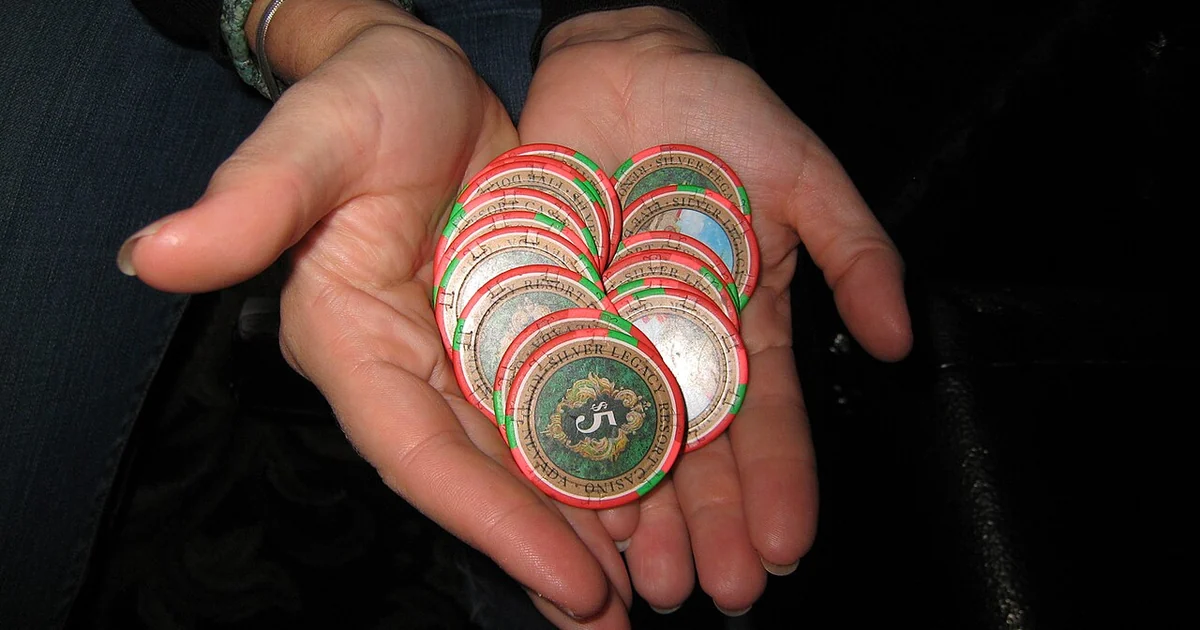
Jo Kim Poker covers tournament storylines, player branding, and network content, and much of what fans consume arrives in short form: a clipped hand, a thirty-second highlight, a reaction video cut from a longer broadcast. Short clips are efficient, but they compress decisions that unfolded over minutes or hours into a few frames. This guide offers a method for watching clipped poker content with fair expectations, so that a dramatic moment reads as one piece of a larger story rather than the whole story.
Start by asking what the clip cannot show
Every clip is a selection. Someone chose where it starts, where it ends, which camera angle to use, and what text or music to place over it. Before forming an opinion about a hand or a confrontation, write down what the clip cannot show: the action before the first frame, the stack sizes at the start of the hand, the table dynamics built over the previous levels, and the decisions made by players who are not on screen.
This habit does not mean clips are misleading by design. It means a clip answers a narrow question, and fans get better conclusions when they know which question that is. A clip of a bluff that worked may be the most exciting moment of a session, but the same player may have lost more hands that day than they won. The clip alone cannot tell you that.
Reconstruct the sequence before judging the decision
Poker decisions make sense only in sequence. A call that looks loose in a clip may follow a raise, a re-raise, and a position change that the viewer never saw. A quick way to test a clip is to list the known facts in order: position, effective stack depth in relation to the blinds, the action before the clip begins, and the outcome. If any of these are missing, mark them as unknown rather than filling the gap with assumptions.
When a broadcast or full-length feed is available from the same event, compare it against the clip. Note how many hands were skipped, whether the clip starts mid-action, and whether the commentary describes the same pot the camera showed. Discrepancies do not always indicate bad faith. They often reflect the difference between a producer's emphasis and the full record.
A checklist for judging a clipped hand
Use the following questions as a plain-language checklist. First: does the clip show the starting stacks or at least a reliable estimate of them? Second: is the full betting sequence visible, including folds that happened before the action reached the featured players? Third: is the outcome shown, and if so, does the caption describe it accurately? Fourth: does the commentary separate what is observed from what is inferred, such as a player's feelings or intentions?
Fifth: what is the source of the clip, and does the poster have an incentive to make a specific hand look heroic, foolish, or controversial? Sixth: if you were the player, would you recognize the account as fair? Asking this final question helps fans avoid turning a single hand into a verdict on a person's skill or character. A checklist will not settle every debate, but it keeps the conversation anchored to evidence.
Separating a highlight from a trend
Highlight reels are built to be memorable, which means they overrepresent rare outcomes: all-in suckouts, spectacular bluffs, and dramatic eliminations. Fans who build their picture of a player or event from highlights alone tend to overestimate how often those moments occur. A more reliable approach is to pair highlights with results data, such as finishes, chip counts by level, or the number of entries a player reached on day one.
When you encounter a claim that a player is "always" aggressive or that a field is "soft," look for the underlying pattern. How many hands were recorded? Over what period? Against which opponents? Without that context, a claim is a story, and it may be a good story, but it should be held more loosely than a claim supported by a full sample.
Keeping your fandom both engaged and fair
Clips are a pleasure of modern poker fandom, and nothing here argues against enjoying them. The goal is to keep your enthusiasm tied to what you can actually verify. Save clips you find striking, and when you return to them later, check whether your memory of the moment matches the record. Compare your favorite reads against the full coverage that Jo Kim Poker and other outlets publish, and notice which storylines hold up over time.
A fan who asks what a clip leaves out, reconstructs the sequence, and checks the source will rarely be surprised by a reversal. That habit makes poker coverage more enjoyable, because the drama you follow rests on details you have actually weighed.