Reading Chip Leader Narratives: How Poker Fans Judge Storylines in Jo Kim Poker Coverage
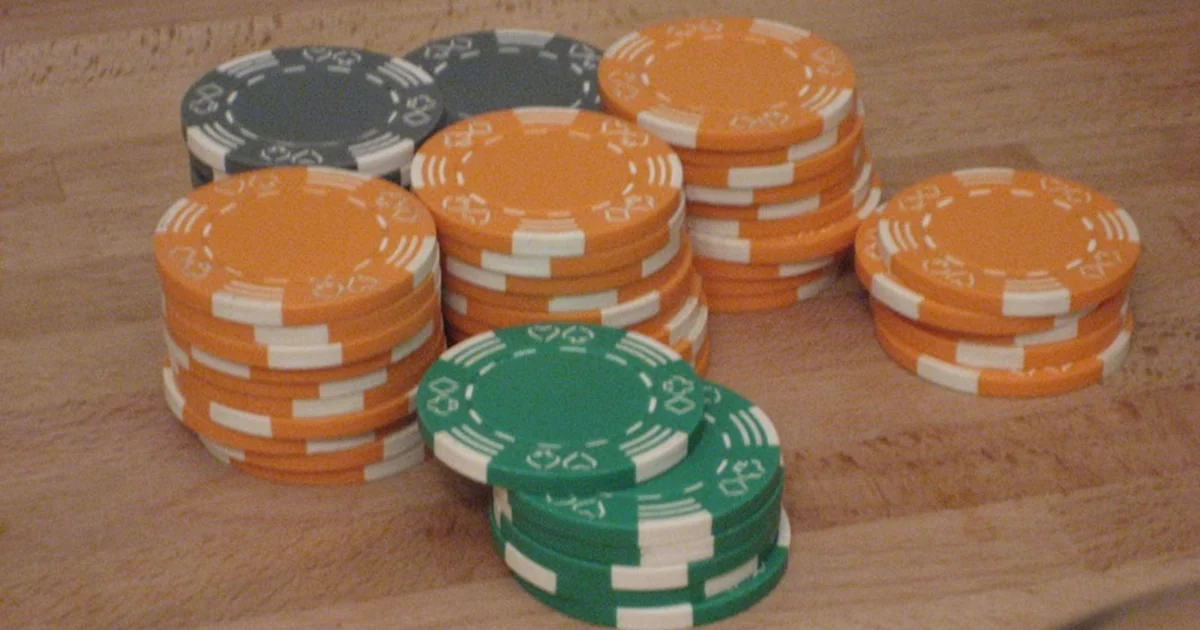
Jo Kim Poker covers poker through updates, tournament storylines, player branding, and PokerBlast network coverage, and like any poker media, its most compelling pieces tend to be narratives: the chip leader who looks unbeatable, the short stack who staged a comeback, the veteran whose run feels like destiny. Narratives make poker fun to follow. They also compress messy, probabilistic events into tidy arcs. This guide offers a method for fans who want to enjoy those stories without letting them quietly rewrite what actually happened at the table.
Why Storylines Form Faster Than Results
Tournament poker produces a steady flow of information, but most of it is incomplete. A chip count at the end of a level tells you a stack size, not the hands that built it. A bustout tells you who lost a pot, not whether the decision was sound. Because the raw signal is thin, the human brain fills gaps with causes: a player is on fire, a player is tilted, a player has momentum. Media amplifies this habit because a story with a protagonist is easier to publish than a spreadsheet of probabilities.
Poker also has a strong survivorship pattern. The players still alive at a late stage are visible, and their earlier decisions look like a plan in hindsight. A fan who only watches the final table may come away believing a particular style is superior, when many similar approaches busted earlier in the event and never got a feature. Recognizing that bias is the first step toward reading coverage more carefully.
A Four-Question Test for Any Poker Storyline
When a piece claims a player is dominating an event, you can test that claim against four questions. First, what is the stack-to-blind ratio, not just the raw chip count? Ten million chips means little until you know the current big blind. Second, how many players remain, and how many of them have similar stacks? A large chip lead in a field where three others are close is a different story from a lead in a field of twenty.
Third, what is the sample? A single day of strong results supports a narrower claim than a series of cashes across several events. Fourth, what does the coverage omit? If a story praises a player's aggression but never mentions the pots they lost while being aggressive, the account is incomplete. These questions do not require insider access. They only require asking whether the story gives you enough numbers to support its adjectives.
Checking the Field Before Trusting the Frame
Field size and structure shape what a result means. A deep run in a small event with a flat payout ladder differs from the same finish in a large field with a steep top-heavy structure. When reading Jo Kim Poker coverage of a tournament, look for the entrant count, the number of paid positions, and whether the event included re-entries or late registration. Those details change the meaning of a cash or a bubble finish.
A simple checklist helps. Before accepting a narrative, confirm the following: the total entries and paid places; whether the stack sizes shown are current or from an earlier level; whether the player's position is described relative to the field or only in absolute chips; and whether the outcome is described as a single event or a trend. If the piece cannot answer these basic questions from its own text, treat its conclusions as provisional rather than settled.
Separating the Player From the Persona
Player branding is a legitimate part of poker culture. Players build recognizable personalities, and coverage often leans into them because audiences respond to character. The risk arises when a persona starts standing in for evidence. A player described as a fearless table captain may simply have had good cards in a stretch of hands; the label describes the brand more than the decisions.
A useful habit is to split any profile into two columns: verifiable results and interpretive language. Results include finishes, dates, and event names. Interpretive language includes words like genius, legend, or unstoppable. Keep the first column and hold the second loosely. This is not cynicism. It is simply the difference between reading about a poker career and reading about a character written for a feed.
Building Your Own Reading Routine
Fans who follow poker across several outlets tend to do best with a repeatable routine rather than a reaction to every headline. Pick two or three players or events to track closely, and record their results in a simple log with date, event, entries, finish, and any stack notes you can confirm. Over a season, the log will show whether the narrative in the coverage matches the pattern of results. Often it does not, and the gap itself is informative.
Keep the checklist close when reading live updates. Note whether a update gives a timestamp, whether chip counts are labeled with the level they reflect, and whether the writer distinguishes reporting from opinion. Poker is a game of incomplete information, and the most respectful way to cover it, and to follow it, is to be explicit about what is known, what is inferred, and what is simply a good story.