Tracking Late-Day Tournament Stacks: A Fan's Method for Reading Chip Movement
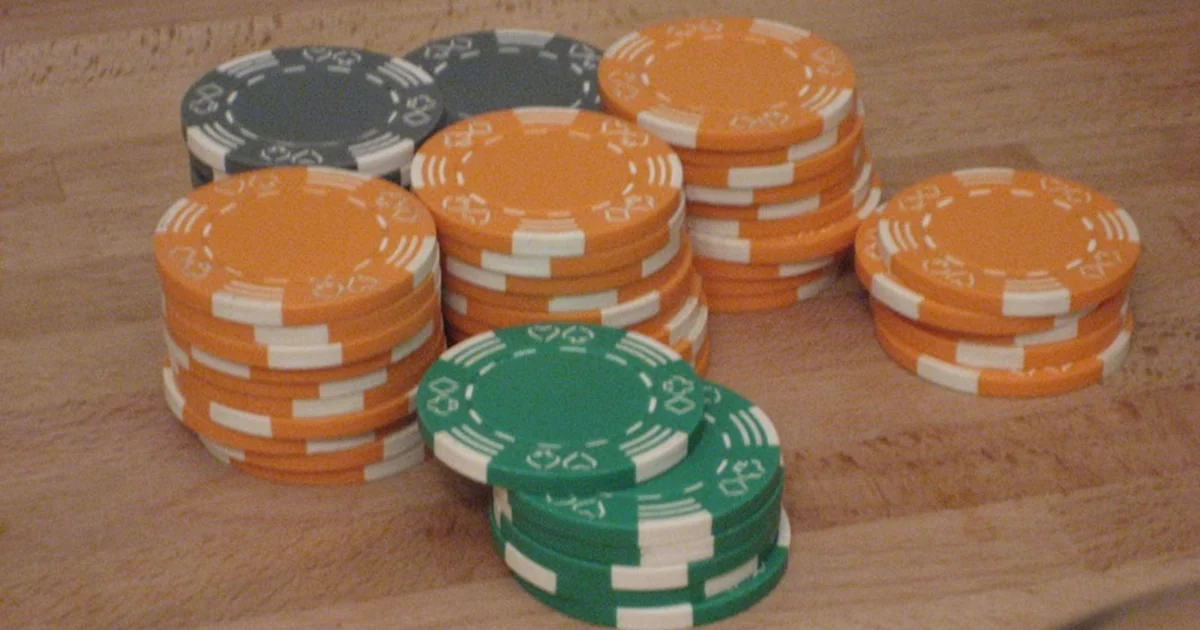
Late-day tournament coverage tends to move quickly. Bustouts happen in clusters, stack sizes shift with every level change, and a single hand can rearrange the leaderboard before most followers have finished reading the last update. For fans who follow a tournament across several hours, the challenge is less about access to information and more about interpreting it. This guide offers a structured way to track chip movement so that you can understand what a tournament update actually says, rather than simply reacting to the headline number attached to it.
Start With the Structure, Not the Stack
Before reading any individual chip count, establish the structure of the event. Note the starting stack, the current blind level, the ante schedule if one is in place, and whether the event is still in a registration or re-entry window. A player with 40 big blinds means something very different in a level with a small ante than in a level where antes have doubled the pressure. Without this context, a chip count is just a number.
Write down the approximate number of players remaining and the number of paid positions. The distance between a player and the money line is often more useful than the player's raw chip total. A short stack three spots from the bubble and a medium stack at a final table of six can carry very different stakes, and the update text rarely states this explicitly. Your job as a reader is to supply the missing frame.
Convert Chip Counts Into Relative Position
Raw chip counts are hard to compare across updates because the total chips in play, the starting stack, and the blind schedule all differ from event to event. A practical habit is to convert each count into a ratio: the player's chips divided by the average stack at the table or in the field. A stack at 1.5 times average is a strong position regardless of whether the average is 20,000 or 200,000.
When a feed reports only the leader's count, record it anyway, but flag it as incomplete. Over several updates, you can build a rough trajectory for a player by noting whether their ratio to average is rising, falling, or flat. A player who holds steady while the average shrinks is actually gaining ground, even if their chip total looks unchanged.
Track Pressure Points Across Level Changes
Blind increases are the most reliable source of tournament drama. As levels rise, the number of big blinds a player holds falls, and players who were comfortable become forced to commit. Mark the timing of each level change in your notes and check which stacks dropped below key thresholds, such as 15 or 10 big blinds, shortly afterward.
Bubble periods deserve their own tracking column. Many players tighten up near the money, and the update may describe a quiet stretch that is actually a strategic squeeze. Look for patterns: are short stacks shoving more often, are medium stacks folding to pressure, and is the chip leader avoiding confrontation? These behavioral notes, paired with the numbers, make a far richer account than a leaderboard alone.
A Checklist for Each Update
Use a short routine every time you read a tournament update. First, confirm the current blind level and whether antes are active. Second, note the players remaining and the paid positions. Third, record the chip count of each player you are following, then calculate that count relative to the average stack. Fourth, compare the result with the previous update and label the change as gained, lost, or flat. Fifth, write one sentence about what the change suggests about pressure, such as whether a player is forced to act or is gaining room to maneuver.
Keep the routine consistent so your notes are comparable across the day. Inconsistent records make it hard to see trends and easy to mistake a single swing for a turning point.
Questions to Ask Before You Draw Conclusions
Before concluding that a player is in trouble or on a run, ask a few questions. Is the update reporting a complete chip count or a partial one? Does the feed specify the time of the count, or could it be several levels old? Is the number confirmed by the tournament's own reporting, or is it a single source's estimate? If the answers are unclear, treat the update as provisional. Fans who keep these questions in view tend to follow tournaments more accurately and avoid being carried along by the momentum of a single dramatic post.