Reading Tournament Updates Live: A Field Guide to Chip Counts, Blind Levels, and Bust-Out Timing
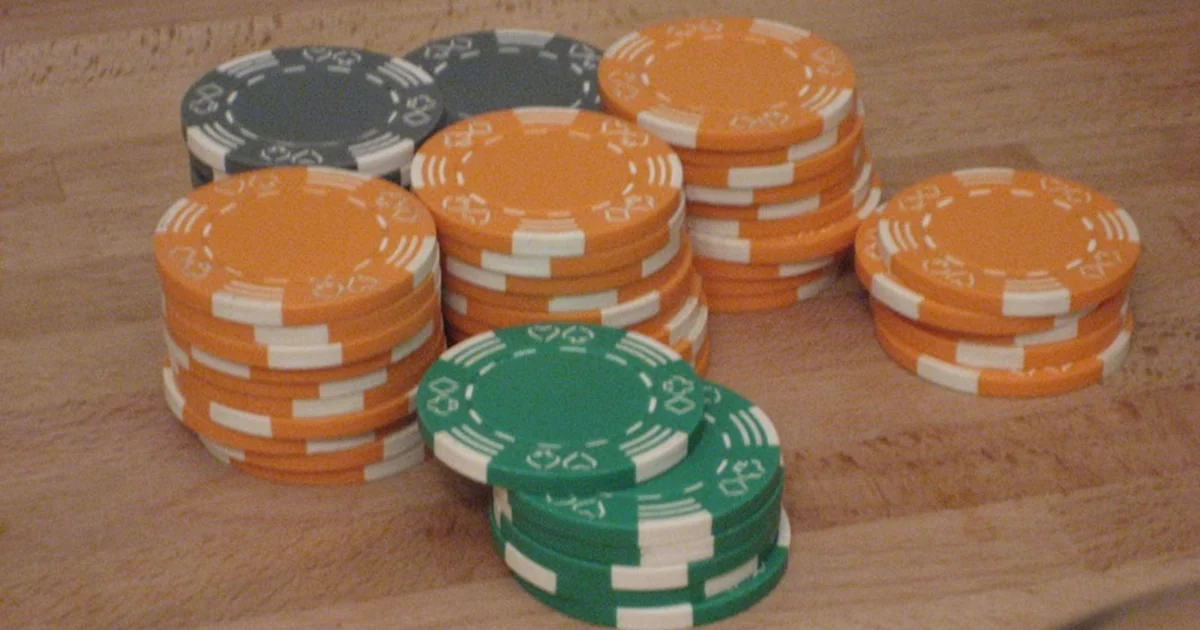
Live tournament updates are compact by design. A single line can report a chip count, a table change, or a bust-out, but without context it can mislead as easily as it informs. Fans who follow poker tournaments closely learn to read these updates the way a sports reporter reads a box score: they know which numbers matter, which are approximations, and which require waiting for confirmation. This guide walks through the mechanics behind common tournament updates and offers a practical method for keeping your understanding accurate as the day unfolds.
Start With the Structure, Not the Stack
Before you interpret any chip count, understand the event's structure. Tournaments run on blind levels that increase at set intervals, and those levels determine how dangerous each stack is. A player holding 40 big blinds is in a very different position than one holding 12, even if both numbers look large in isolation. Most published schedules list the level, the small and big blinds, any antes, and the length of each level. If you can find the schedule for the event you're following, note the level timing so you can estimate when pressure will rise.
Blind levels also explain why updates cluster at certain times. Players often make their biggest moves near level changes because the cost of waiting rises. When you see a flurry of eliminations shortly after a new level begins, the timing is usually a feature of the structure rather than a coincidence.
Read Chip Counts as Relative Snapshots
A chip count is a snapshot taken at a particular moment, often after a hand has concluded and before the next one begins. It is not a running balance that updates in real time for every player. When a count is reported, ask what it represents: the player's stack after a specific pot, an average stack for the field, or a rounded estimate from the broadcast desk. Each carries a different level of precision.
Averages are especially easy to misread. An average chip count tells you the midpoint of a field, not the typical position of any individual player. A short stack near the average is not necessarily in good shape, and a large stack well above it may be vulnerable if the field has many players close to elimination. Whenever you compare counts, convert them to big blinds at the current level. That single step makes most comparisons meaningful.
Separate Confirmed Events From Working Reports
Tournament coverage moves quickly, and not every reported event is equally certain at the moment it appears. A confirmed elimination, a completed table move, and a secondhand report about a player's stack are different categories of information. A practical habit is to label each update mentally as confirmed, reported, or inferred. Confirmed items come from official tournament communication or direct observation of a finished hand. Reported items come from another source that may not have been checked. Inferred items are conclusions you draw from partial information, such as assuming a player busted because they no longer appear in a list.
Corrections are common in live coverage. If an update changes later in the day, treat the revision as the current state rather than defending the earlier version. Fans who stay accurate tend to update their own understanding as quickly as the coverage does.
A Short Checklist for Following Updates Accurately
Use the following questions each time you encounter a tournament update. First, what is the current blind level, and how many big blinds does the stack represent? Second, is this number a precise count, a rounded figure, or an average? Third, is the event confirmed by an official source or by a single report? Fourth, does the update describe a completed hand, or a situation still in progress? Fifth, has a later update revised this information? Asking these five questions turns a stream of short messages into a coherent picture of the day.
The payoff is a more reliable sense of where the tournament stands. You will spot the difference between a dramatic-sounding update and one that changes the actual standings, and you will be less likely to build a storyline on numbers that were never firm. For fans who want to follow a particular player's run, pairing these habits with the event's published schedule and the official results as they appear keeps your understanding grounded throughout a long day of play.